TruckPro Tires

Your central hub for truck tire service knowledge. Explore expert advice on tire repair, balancing, and fleet safety.
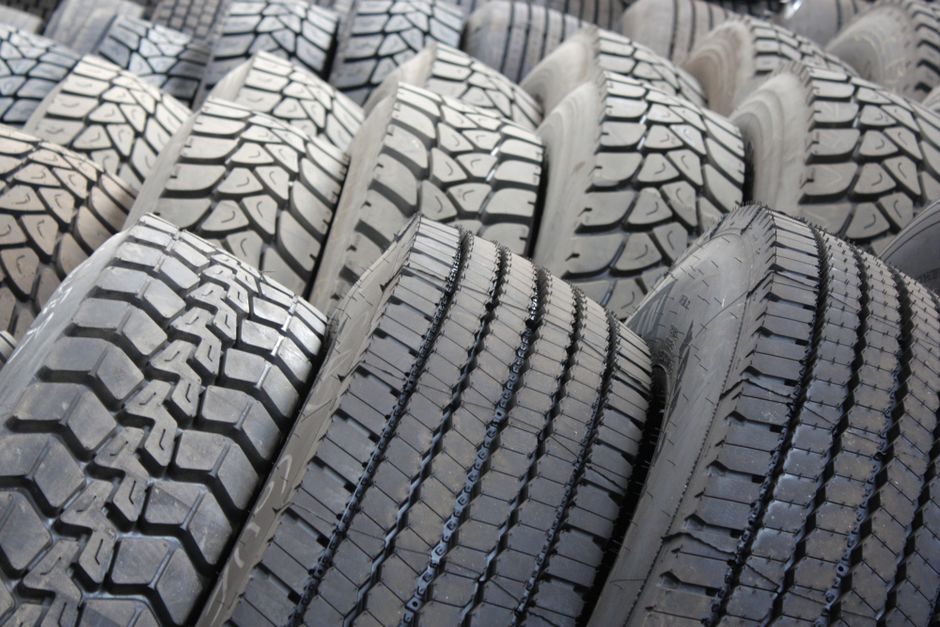
High-quality image of stacked industrial tires showcasing tread patterns.

Common Questions About Truck Tire Service

  • 1What are the main steps in truck tire repair?
    Truck tire repair typically involves inspecting the damage, removing the tire, preparing the area, applying a patch or plug, and reassembling. Each step requires proper tools and technique.
  • 2How often should truck tires be balanced?
    Balancing is generally performed during tire installation or rotation. Frequency depends on usage conditions and manufacturer guidelines. Regular checks help maintain smooth operation and even wear.
  • 3What tools are needed for fleet tire maintenance?
    Common tools include tire gauges, balancing machines, air compressors, patch kits, and tire changers. Selection depends on the types of tires and volume of service performed.
  • 4How can fleet managers improve tire safety?
    Fleet safety involves regular pressure checks, tread inspections, load management, and driver training. A systematic maintenance schedule helps identify issues before they become serious.
  • 5What is the purpose of tire rotation in truck fleets?
    Rotation helps distribute wear more evenly across tires. It is typically performed at set mileage intervals. The specific pattern depends on tire position and vehicle configuration.

Your Central Hub for Truck Tire Service Knowledge

This hub provides a structured collection of articles and guides covering key aspects of truck tire service. Topics include repair procedures, balancing techniques, and considerations for fleet maintenance. Each resource is designed to explain the underlying principles and steps involved.

Readers can explore content organized by category. The materials reference common industry methods and tools used in tire service. The information is intended to support informed decision-making when planning maintenance routines or training programs.

  • Tire repair and patch application
  • Balancing procedures and equipment
  • Fleet safety inspection protocols
  • Load management and tire pressure guidelines