Five Common Causes of Uneven Tire Wear on Trucks
Uneven tire wear is a common concern for truck operators and fleet managers. Identifying the underlying factors can help in planning maintenance schedules and improving tire longevity. Several mechanical and operational conditions contribute to irregular tread wear patterns, each requiring a different approach for correction.
The following sections explore five frequent causes of uneven tire wear on trucks. Understanding these factors provides a basis for more informed inspection routines and maintenance practices. While each cause is discussed separately, multiple factors often interact in real-world conditions.
Misalignment and Its Effect on Tire Wear
Wheel alignment refers to the adjustment of a vehicle’s suspension components to ensure that wheels are positioned correctly relative to each other and the road. When alignment angles such as toe, camber, or caster fall outside manufacturer specifications, tire contact with the road surface becomes uneven. This can result in accelerated wear on specific areas of the tread.
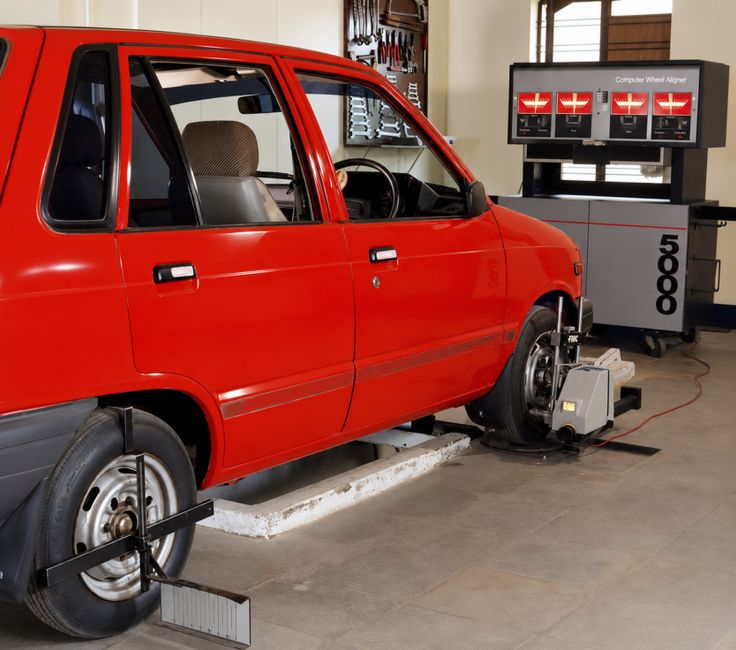
For trucks, misalignment is often caused by hitting curbs, potholes, or other road obstacles. Over time, even minor misalignment can produce feathering or scalloping patterns on the tire surface. Regular alignment checks are a standard part of preventive maintenance, and many service providers use computerized alignment equipment to measure angles precisely. When alignment is corrected, tire wear patterns may become more consistent, though existing damage cannot be reversed.
It is worth noting that alignment issues do not always produce immediate visible wear. The effects accumulate gradually, making periodic inspections important for early detection. Fleet operators often schedule alignment checks at set intervals or after any significant impact to the suspension.
Improper Inflation and Pressure Variations
Tire inflation pressure directly affects the shape of the contact patch where the tire meets the road. Underinflation causes the center of the tread to lift slightly, transferring more load to the outer edges. This often leads to accelerated wear on both shoulders of the tire. Overinflation, on the other hand, concentrates the load on the center of the tread, causing that area to wear more rapidly.
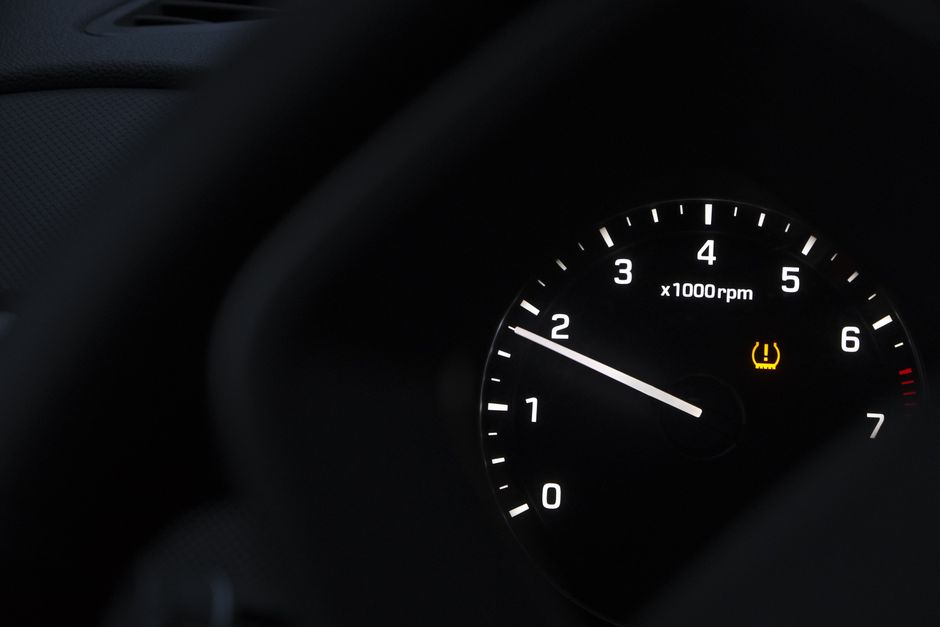
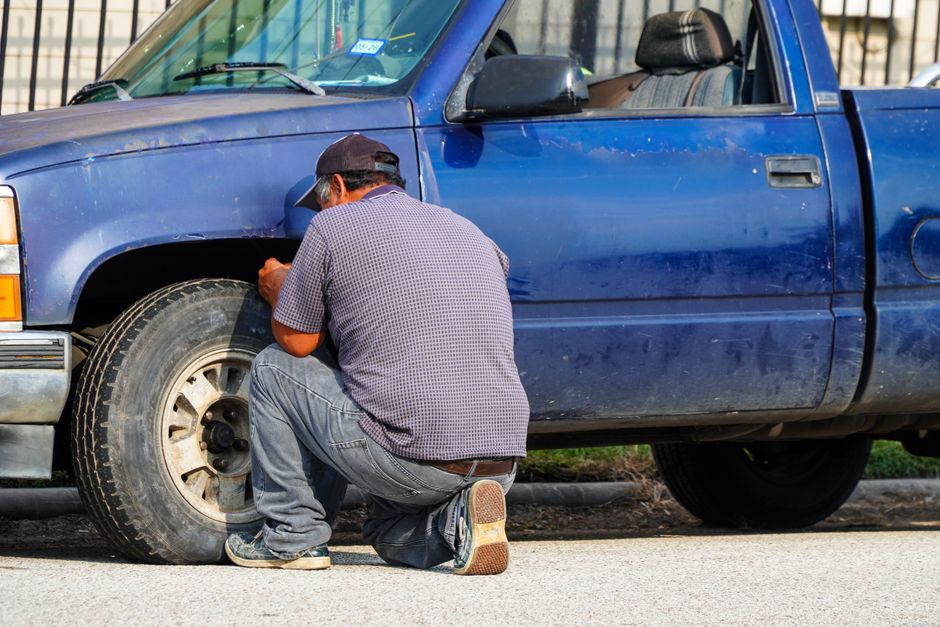
Maintaining proper inflation requires regular pressure checks, as tires naturally lose air over time and temperature changes can influence pressure readings. Trucks operating in varying climates or over long distances may experience fluctuations that affect wear. Pressure monitoring systems are commonly used to provide ongoing readings, allowing drivers or maintenance teams to adjust as needed.
It is important to note that inflation levels must be adjusted based on load weight and operating conditions. A tire inflated for a fully loaded truck may be overinflated when running empty. Following manufacturer recommendations for specific axle positions and load ratings is a common practice to help manage wear.
Worn Suspension Components
Suspension components such as shock absorbers, bushings, ball joints, and tie rods play a role in maintaining stable tire contact with the road. When these parts become worn or loose, the wheel can move excessively during operation. This movement introduces additional forces that lead to irregular tire wear, often appearing as cupping or scalloped dips on the tread surface.
In trucks, suspension wear is typically gradual and may go unnoticed until handling issues arise. Regular inspection of suspension parts during routine maintenance can help identify components that have reached the end of their service life. Replacing worn parts restores proper wheel control, which can contribute to more even wear over the remaining tire life.
The relationship between suspension condition and tire wear is complex, as multiple components interact. A thorough inspection by a qualified technician is often recommended when uneven wear patterns are detected. Addressing suspension wear early may also prevent additional stress on other vehicle systems.
Load Imbalance and Improper Weight Distribution
Trucks are designed to carry weight within specific limits per axle and per tire. When loads are distributed unevenly, some tires bear more weight than others. This imbalance can cause those tires to wear faster and more irregularly. For example, a load shifted to one side may cause the tires on that side to experience higher temperatures and increased tread stress.
Proper load distribution involves securing cargo so that weight is evenly spread across the trailer or truck bed. Axle weight limits are regulated in many regions, and exceeding them can also contribute to uneven wear. Using scales to verify load distribution is a common procedure in fleet operations.
Additionally, static and dynamic imbalance of tire and wheel assemblies can cause vibration and spot wear. Balancing tires helps ensure that the assembly rotates smoothly, reducing the likelihood of localized wear patterns. When load imbalance is corrected, tires may exhibit more uniform wear across the tread.
Braking Issues and Their Impact on Tire Tread
Braking systems that apply uneven force to the wheels can cause certain tires to scrub against the road surface. This scrubbing effect leads to flat spots or rapid wear in localized areas. Common causes include seized brake calipers, worn brake shoes, or improperly adjusted brakes that apply more force to one side of the vehicle.
In trucks equipped with air brakes, brake timing and pressure can vary between axles. If one axle brakes harder than others, the tires on that axle may experience increased wear during deceleration. Regular brake inspections and adjustments help maintain even braking force across all wheels.
It is important to consider that braking issues often produce distinctive wear patterns, such as diagonal or patchy wear, that differ from those caused by alignment or suspension problems. Diagnosing the root cause typically requires examining both the braking system and the tire condition together. Addressing braking irregularities can contribute to more consistent tread wear and may also improve overall vehicle stopping performance.